?unique=ea0ed3e)


831043-3 – Turbine Engine SOAP Analysis Kit
Available now through the AirParts Aero marketplace.
Overview Section
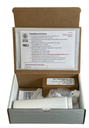
The 831043-3 is a specialized SOAP (Spectrometric Oil Analysis Program) Kit designed for the proactive monitoring of turbine engine health. This kit provides the necessary components for maintenance technicians to collect a representative sample of engine oil for laboratory analysis, which is a mandatory requirement for many turbine engine maintenance programs (such as those for the Pratt & Whitney PT6A and Honeywell TFE731).
By identifying microscopic metallic traces in the oil—measured in parts per million (PPM)—the SOAP analysis can detect internal component wear (bearings, gears, and seals) long before a physical failure occurs. The -3 designation typically refers to a specific kit configuration that includes high-purity collection vials and specialized documentation required by major engine OEM analysis programs.
Key Features Section
Contamination-Free Collection: Includes a sterilized, high-density polyethylene (HDPE) bottle designed to prevent outside contaminants from skewing the laboratory results.
Aviation-Grade Sampling Tube: Comes with medical-grade flexible tubing to reach deep into the oil reservoir or gearbox, ensuring the sample is drawn from the "active" oil supply.
OEM-Compliant Documentation: Features a detailed data tracking form (Sample Information Sheet) to record engine hours, time since last oil change, and total engine cycles—critical data for trending analysis.
Secure Shipping Container: Includes a leak-proof secondary mailing container that meets IATA and DOT regulations for the transport of used oil samples.
Precision Trending Capability: Designed to support long-term "Trending Analysis," allowing operators to see shifts in metal concentrations (Iron, Silver, Copper, Magnesium) over the life of the engine.
Universal Turbine Compatibility: Suitable for use across a wide range of turboprop and turbofan platforms.
Technical Specifications Section
| Specification | Detail |
| Part Number | 831043-3 |
| Component Type | Spectrometric Oil Analysis Kit (SOAP) |
| Bottle Volume | Typically 2 oz (60 ml) |
| Materials | HDPE (Bottle), Vinyl/Tygon (Tubing) |
| Application | Turbine Engine / Accessory Gearbox |
| Compliance | Meets major OEM sampling requirements |
Aircraft Compatibility Section
The 831043-3 kit is a standard tool used in the maintenance of high-utilization turbine aircraft:
Beechcraft King Air Series: Essential for the mandatory oil trending programs of the PT6A engines.
Cessna Citation Series: Used for monitoring the JT15D and PW500 series engines.
Pilatus PC-12: Integral to the engine health monitoring system (HUMS) data collection.
Honeywell TFE731-powered aircraft: Supporting the MSP (Maintenance Service Plan) reporting requirements.
Bell and Eurocopter/Airbus Helicopters: Used for monitoring critical main rotor and tail rotor gearboxes.
Technical Applications & Safety
The value of a SOAP sample is entirely dependent on the sampling technique. If the sample is taken from the very bottom of a cold engine, the results will show artificially high metal counts due to sediment, potentially leading to an unnecessary and expensive engine teardown.
Safety Warning: Sample while the oil is "Hot and Cross." To get an accurate reading, the oil should be sampled within 30 minutes of engine shutdown while the wear particles are still in suspension. Additionally, ensure the sampling tube does not touch the bottom of the reservoir. Use a "flush" method—draw a small amount of oil into a waste container first to clear any debris from the tube before filling the analysis vial.
Technical Engineering Insight
The engineering value of the 831043-3 lies in its role in Predictive Maintenance (PdM). In a turbine engine, different metals indicate different failing components: Iron usually points to gear or shaft wear, Silver points to bearing cage distress, and Magnesium can indicate housing erosion. The 831043-3 kit ensures the "Chain of Custody" for the fluid is maintained. By providing a clean, consistent method of collection, the lab can distinguish between "normal" break-in wear and "accelerated" wear. This data is often used by insurance and warranty programs (like JSSI or Honeywell MSP) to approve engine removals before a catastrophic "In-Flight Shutdown" (IFSD) occurs.
Installation & Maintenance Addendum
Avoid Cross-Contamination: Never reuse the sampling tube from one engine on another. Even a microscopic amount of oil from a "dirty" engine will contaminate the sample of a "clean" engine.
Labeling: Immediately fill out the sample tag before leaving the aircraft. Misidentifying a sample (swapping Left and Right engines) can lead to the wrong engine being pulled for maintenance.
Shipment Promptness: Used oil can become acidic and change chemically if left in a hot hangar for weeks. For the most accurate results, ship the sample to the lab within 24 hours of collection.